
 Harry Rapheal
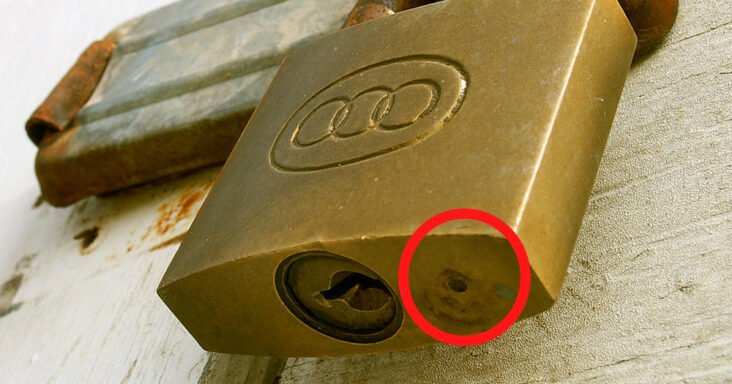
I always use one of the many padlocks I have at home when I visit the public bath or the gym. I’ve noticed a tiny hole on them over time, but I’ve never given it any thought.
When my daughter became interested and inquired about the purpose of the hole, that all changed. I made the decision to research it, and I never would have predicted why.
The tiny hole has a hidden purpose
The majority of individuals, in my opinion, have locks at home, and they’re fascinating! Young adults and children alike may find locks fascinating and practical in various contexts. Locks are more than just a way to keep things safe; they have a certain design that fulfills a particular function and have developed over time to become more sophisticated and dependable.
It’s intriguing to consider how something as basic as a lock may have such a significant impact on our everyday lives, from safeguarding private belongings to guaranteeing security in public areas. Many people are curious about locks since there is some mystery surrounding how they operate.
So, have you ever seen a little hole close to your lock’s keyhole? Although it’s simple to ignore, once you understand its purpose, locks will never look the same.
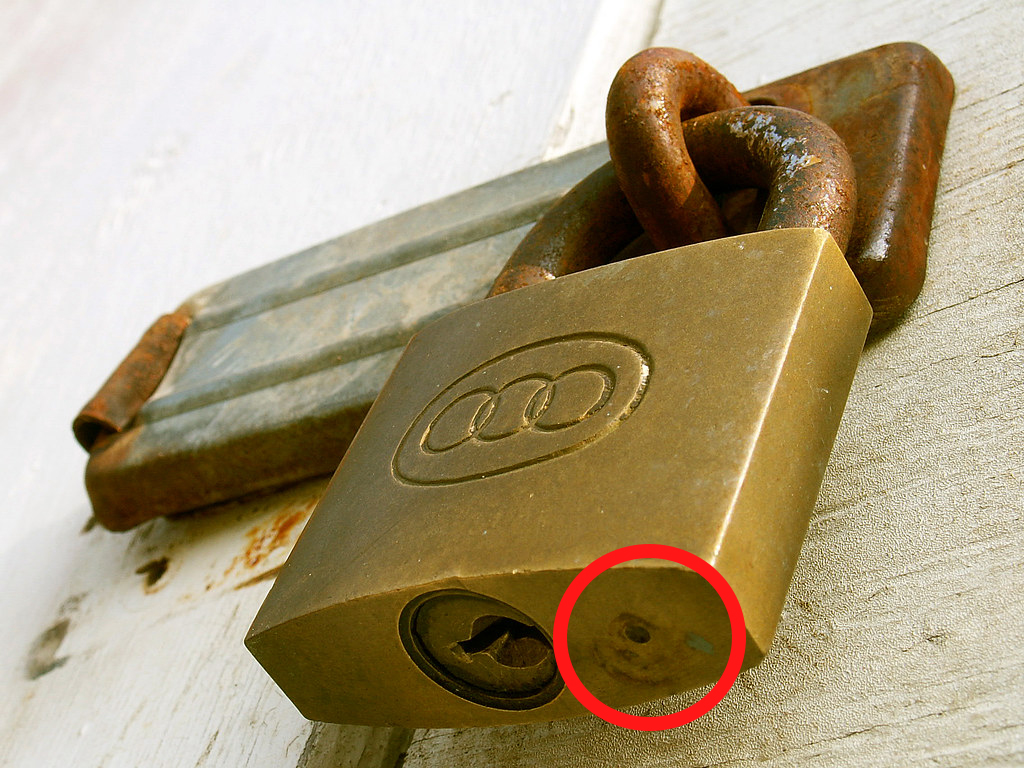
Why do padlocks have a tiny hole in them?
As previously stated, locks on gates, cabinets, and lockers are made to protect our possessions. However, they are continuously exposed to rain, humidity, and shifting weather conditions when utilized outdoors, such as on fences, sheds, or even at the public bath.
This may eventually cause corrosion, which would make the lock stiff and challenging to open.
What is the reason for those tiny holes, then? In actuality, they are integrated drainage systems! By letting water out, these perforations stop it from becoming trapped inside and causing corrosion. Water may eventually leak through the holes at the top where the shackle links when a padlock is used outside.
Water can escape through the weep hole, a little hole near the bottom. This keeps the lock body from rusting and corroding, which would happen if it just filled with water. Without them, locks would corrode much more quickly, making it difficult to turn the key or, worse, leaving you locked out.
In addition to aiding with water drainage, the padlock’s weep hole can be used to add a tiny bit of oil to the lock body. By lubricating the internal parts and lowering friction, oil applied through the weep hole helps prevent rust and corrosion. Particularly when exposed to the weather, this easy maintenance procedure can prolong the lock’s life and keep it operating smoothly.



GIPHY App Key not set. Please check settings