
 William Roy
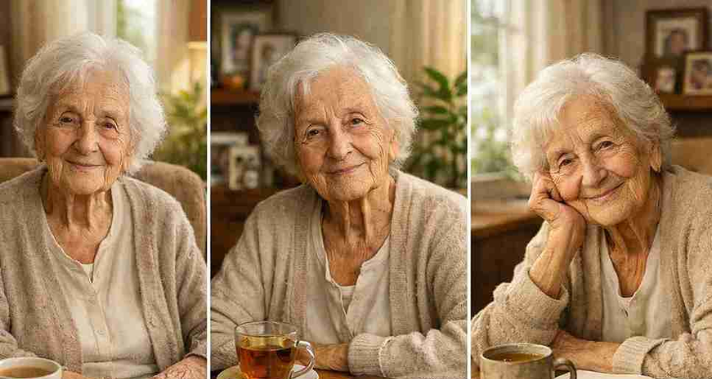
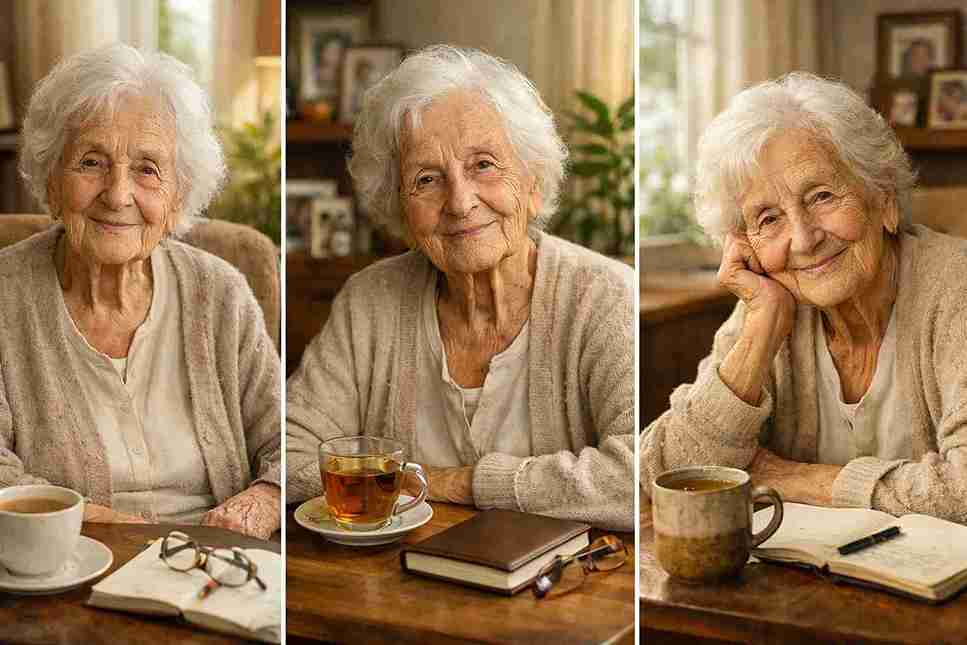
The extraordinary life of Maria Branyas Morera, who lived to the age of 117, is providing scientists with valuable insights into what helps people to age more gracefully and live longer. Born in 1907 in the United States and later emigrating to Spain, Maria was mentally sharp and relatively healthy throughout much of her life. Before she dies in 2024, she kindly signed a consent form to donate her biological data to scientific research, hoping that it will help scientists better understand why some people are far outliving the average lifespan.
Researchers from the University of Barcelona and the Josep Carreras Leukaemia Research Institute analysed her DNA and discovered a number of unique genetic characteristics. Their analysis showed characteristics associated with good cellular function and a lower risk of diseases associated with aging. According to scientists, Maria’s biology seemed to slow some of the processes that are commonly linked to aging. Many of her inflammation markers and metabolic patterns looked that of much younger people.

But Maria’s longevity wasn’t down to genetics alone. Her lifestyle contributed significantly. She avoided smoking and alcohol, kept physically active in simple daily ways and nurtured close relationships with family and friends. Her diet was also carefully cared for: she had regularly eaten probiotic-rich yogurt and her mornings were started with a nutrient-rich smoothie based on a mixture of grains, both of which were known to benefit digestion and overall well-being.

One of the most interesting findings came from the study of her telomeres – the protective caps at the ends of chromosomes. While telomeres usually shorten as we age, putting us at greater risk for disease, Maria’s demonstrated unexpected preservation. This suggests that both inherited factors and healthy habits on a regular basis influenced her extremely extended life.
Her story has continued to inspire scientific research and remind us that balanced nutrition, positive routines and strong social connections may all have important roles to play when it comes to promoting healthier aging for generations to come.



GIPHY App Key not set. Please check settings