
 William Roy
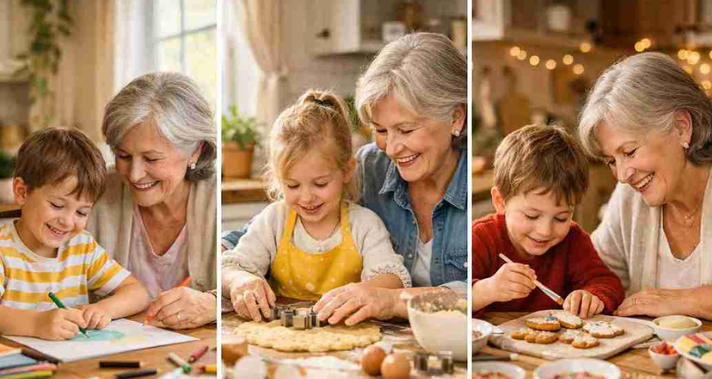
In many families, a quiet and painful situation sometimes develops over time: a paternal grandmother who imagined being closely involved in the life of her grandchildren over time becomes a distant figure. Instead of being present in everyday moments, she may only be present at family gatherings – or sometimes fade almost completely from the child’s daily life.
This distance seldom occurs due to one single event. More often, it is a slow growth by a combination of emotional dynamics, misunderstandings, practical circumstances and small decisions that add up over time.
Understanding these factors can be beneficial for families to understand why this situation occurs and how relationships can be strengthened again.
The weight of the mother’s bond in the early years
During the first months and years of a baby’s life, the most important emotional bond is generally with the primary caregiver. In many families this role is held primarily by the mother.
When it comes to a new mother, she often turns to her own mom for advice and comfort because that relationship is already familiar and safe. As a result, the maternal grandmother often gets intimately involved in the baby’s earliest experiences.
She may help in sleepless nights, provide advice about parenting, help during illnesses and witness the child’s first milestones. These frequent moments make a strong emotional bond between maternal grandmother and the child a natural occurrence.

Meanwhile, paternal grandmother may not always be there in those early stages. Even when she wants to help, her visits may be invitation or scheduled. Over time, this difference can define the relationship: one grandmother becomes part of day-to-day life, whilst the other is associated primarily with special occasions.
The role of the father the invisible decisions
Another important factor is the role of the father in keeping the family ties alive.
In many households, family organization, e.g. planning visits, organization of celebrations, and communication with relatives, is often the responsibility of the mother. This occurs naturally in many relationships, but can have an unintended effect on the children’s relationship with the father’s side of the family.
If the father does not actively promote contact with his own mother then the relationship between the paternal grandmother and the grandchildren may gradually weaken. It is usually not intentional rejection. Instead, it occurs through small delays, missed opportunities and a lack of initiative.
Over time, these little omissions can silently transform into emotional distance.
The grief of losing center stage, but having to remain silent
For many mothers, their son dominated their life for many years. When he is grown up and has his own family and is focusing his attention on his partner and children, the mother may suddenly feel that her role has changed.
This transition can sometimes cause emotional discomfort or sadness. Some grandmothers may react by giving frequent advice about parenting or comparing their previous experience with the present generation.
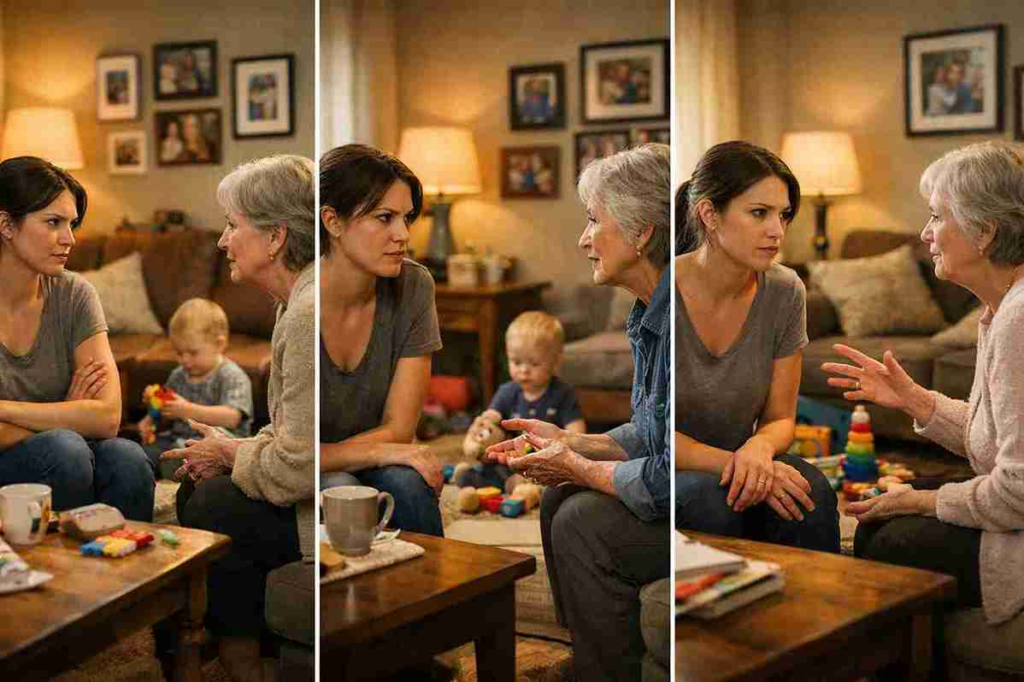
Although these actions are usually done with love and an intention to help, sometimes they can be interpreted by the child’s mother as criticism or interference. When this occurs, sometimes mild tensions start to build in the family.
Over time, these tensions may lead to fewer visits, conversations, and overall closeness.
The effects of separation or divorce
Family dynamics can change even further dramatically when parents separate or divorce.
Children often spend a great deal of time with one parent, usually the mother, and the support system that surrounds her. If the father does not take an active part in keeping his children in touch with his own family, the paternal grandmother may gradually be lost in the daily life of the child.
This situation does not always occur out of conflict or bad intentions. Sometimes it is simply the pragmatic outcome of new schedules, living arrangements and shifting priorities.
Another common source of tension may be differences in parenting styles.
Older generations were often raised in an environment where discipline and strict rules were a vital part of raising children. Today, many parents are more interested in emotional communication, feelings, and open dialogue.
When these perspectives collide disagreements can ensue. If those disagreements are not handled respectfully, discomfort may grow between family members. As a result visitations may become less frequent and emotional distance may develop.
In the course of everyday life, emotional closeness is also affected by practical realities.
Generational differences in parenting
The person being of assistance with daily care, such as picking up children from school, babysitting in emergency situations or supporting parents during busy moments – will naturally become a regular presence in the child’s life.
When a grandmother lives a distance away or cannot be part of everyday routines, it takes extra effort to maintain the relationship through regular communication, visits and activities together.
Fear of rejection and silent retreat
One of the most powerful reasons why some grandmothers step back is the fear of being unwanted.
If a grandmother starts to feel emotionally distant, she would be more likely to withdraw than risk feeling rejected. She may call less frequently, visit less frequently and gradually become quieter within the family dynamic.
From the outside, this behavior can pass as disinterest. In reality, however, it may be a protective reaction intended to avoid the pain of emotions.
Unfortunately, the longer this silence is allowed, the more difficult it is to re-construct the relationship.
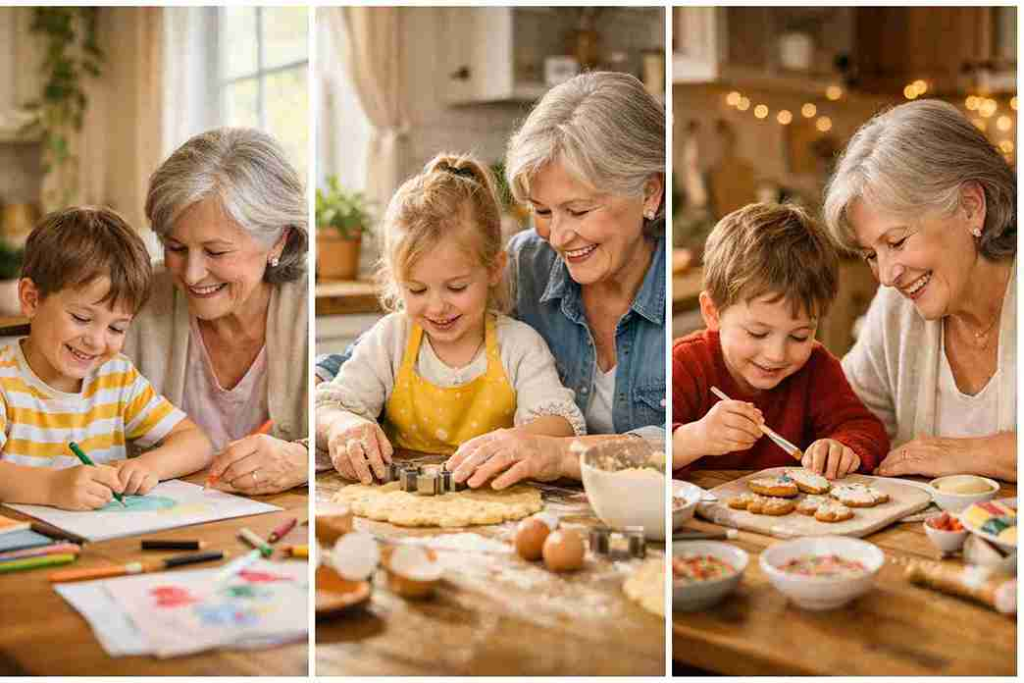
Although distance can become a part of the picture over time, often it is possible to create connections again with patience and understanding. Some helpful steps include:
Keep in regular contact with messages, phone calls or video chats.
Don’t criticize parenting choices, even as you offer advice.
Offer help in practical ways – but don’t force it.
Create little but meaningful moments with grandchildren.
Express love freely and genuinely.
Talk openly about feeling a sense of distance without blame and accusations.
Respect that all families have their own dynamics and boundaries.
Don’t be about grand gestures, but be consistent.
Getting the relationship back on track
The distance between a paternal grandmother and her grandchildren rarely occurs due to lack of love. More often, it is caused by small misunderstandings, practical challenges and emotions that were never openly discussed.
The good news is that relationships can often be fixed. With patience, and honest communication, and a willingness from everyone involved, it is possible to rebuild the connection, step by step.
Sometimes our strongest relations are not the ones that were always easy, but the ones that people chose to nurture again with care, understanding and real affection.



GIPHY App Key not set. Please check settings