
 William Roy

Many people have the notion that life is only shortened by major illnesses or harmful excesses. But in reality, what is a quiet killer of our health is the small, everyday habits that we do not even notice. These routines may not seem harmful, but after a period of time, they slowly destroy our physical, mental, and emotional health.
After the age of 60 years these silent patterns are even more risky as the body does not recover or adapt as fast as it once did. The good news is that none of these habits are permanent – you can change them and even small changes can make a big difference to the next few years.

There are eight habits listed below that can be adding years to your life… and how you can begin changing them right now.
- Suppressing Emotions
Holding back pain, pretending everything is okay or carrying emotional burdens without letting them out keep the body under constant stress. Over time, this impacts the blood pressure, immunity, sleeping, memory and the overall vitality.
There is nothing weak about emotional expression, it is biology.
What to do:
Write down how you are feeling, talk to someone you trust or just acknowledge what you are experiencing. You do not need to have extreme conversations – just little, daily honesty with yourself, takes the pressure off emotionally.
- Letting Relationships Fade
Loneliness – and the quiet kind of loneliness – has a powerful impact on health. Disconnection leads to inflammation, a weakened immune system and the possibility of serious illness.
Connection is more important than the quantity of people around you.
What to do:
Reconnect with a person that you care about, be a part of a class or group, or spend time with one person who listens sincerely. Even having one meaningful relationship can make a big difference in improving your well-being.

- Staying Up Late Regularly
Sleep disorders or lack of adequate rest affect the internal clock of the body. This has an impact on hormones, memory, metabolism and mood. The consequence is slow and subtle but accumulates over the years.Health
What to do:
Find a regular bedtime and attempt to stick to it most of the days. Routine helps to restore your energy levels and healthy aging.
- Skipping Medical Checkups
Feeling well does not mean that all is well. Many diseases progress without any symptoms and are only identified when they are already advanced. An absence of checkups usually results in late diagnosis.
What to do:
In order to do so, schedule regular preventive exams. Early diagnosis can help avoid severe complications and offers assurance and sanity.
- Sitting for Too Many Hours
Even if you exercise occasionally, long periods of sitting still are bad for your heart, your metabolism and your circulation. The human body is designed to be in motion throughout the day.
What to do:
Get up and move after every hour, do some light stretching or short walks. Minor adjustments will work and safeguard your health in the long-term.
- Distracted Eating
Scrolling, watching TV, or working during meals causes you to lose touch with your body when it comes to signs of natural hunger and fullness. This causes overeating, poor digestion and metabolic problems.
What to do:
Eat lowly and screenless. Concentrate on taste, chewing and texture. Mindful eating makes food actual nourishment.
- Living with Constant Noise
The nervous system is on high alert on continued noises even when you feel to have turned down the noise. This has impacts on sleep, concentration, as well as cardiovascular health.
What to do:
Take some time to yourself daily. Silence gives the mind and body a chance to relax and heal itself.
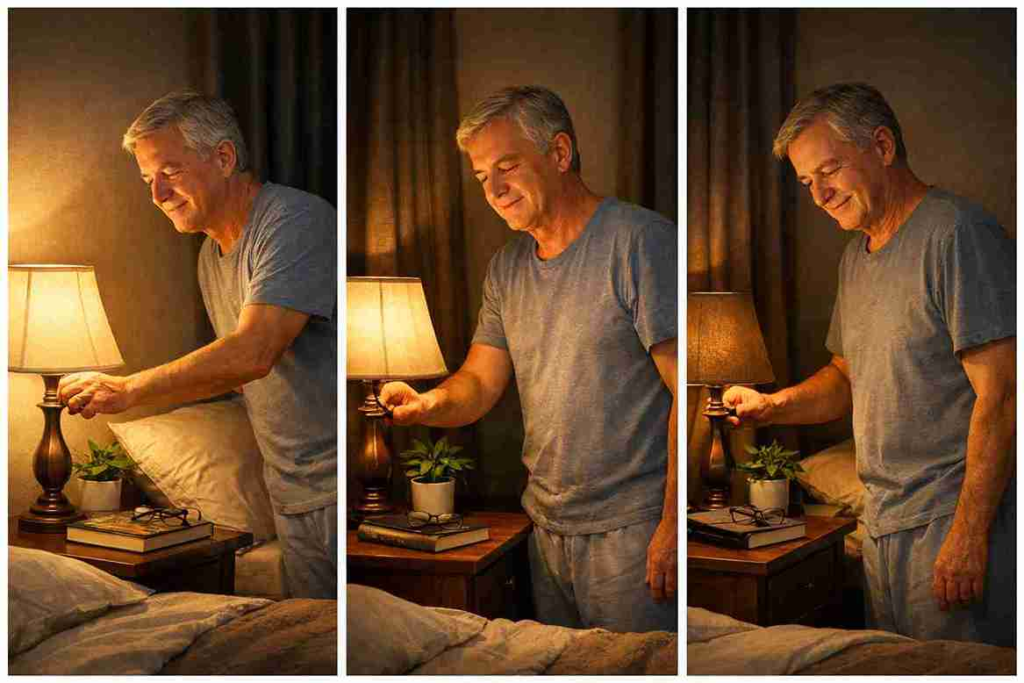
- Sleeping with Lights On
Artificial light at night interferes with melatonin, muddles the brain and influences sleep cycles, hormones and immune function.
What to do:
Sleep in a room with low light, light up the evening with warm light and decrease screen time before bed. Darkness promotes good rest and sound recovery.
Tips to Remember and Conclusion.
Make small changes – there is no need to do everything at once.
Emphasize rest and day-to-day routines.
Attend to your heart as well as your body.
Take walks, even little ones, during the day.
Give solace, by restoring rest, to the realms of not.
Ensure that you have at least a human relationship that is significant.
Heed your body before it must scream at you.
After 60, it’s not so much about living longer, it’s about living better. These silent habits may be taking years away away in silence, but now that you recognise them, you also have the power to stop them. Minor and consistent adjustments can replenish your strength, mind, and health. There is, yet, so much to be done with your life, and it is worth tending to in an attentive and loving way.


GIPHY App Key not set. Please check settings